
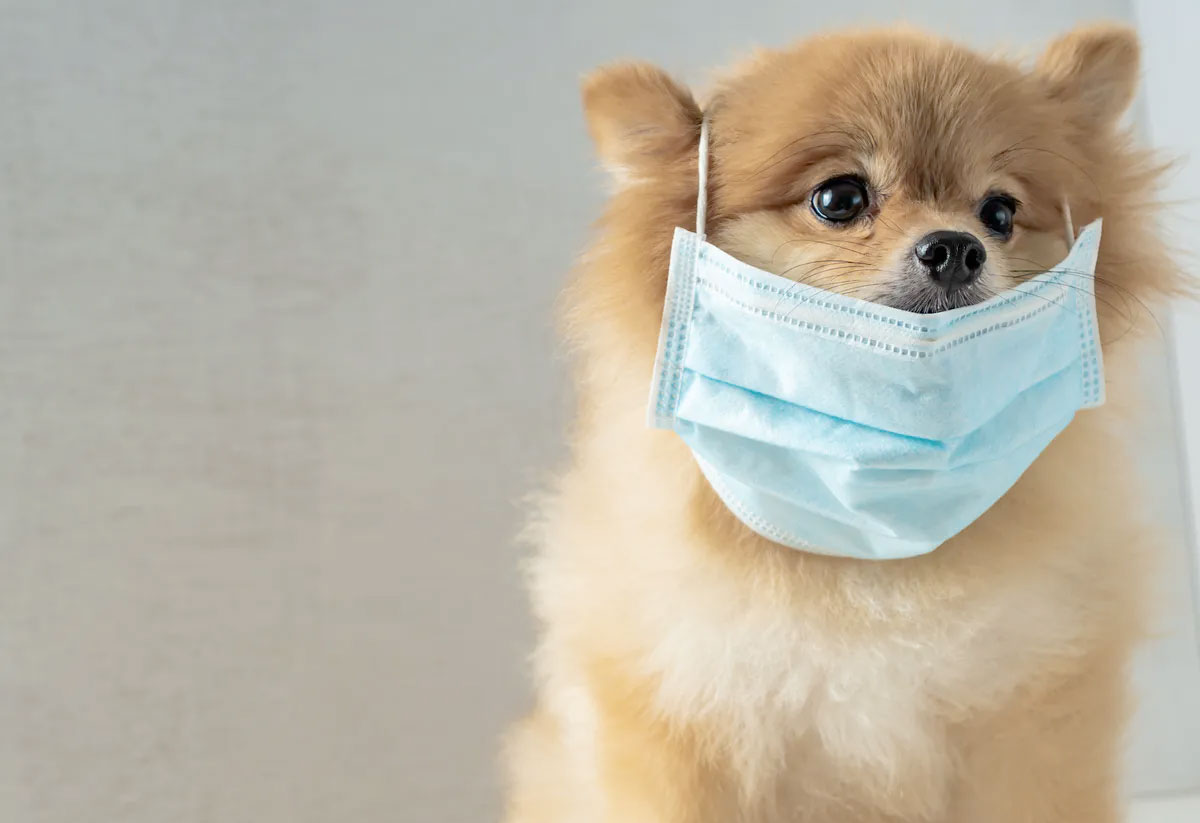
The last year has been posed with challenges for us all. For some of us our whole worlds have been thrown upside down. We will be producing some information on how to help reduce the impact that this may have on our dogs.
The current restrictions imposed by the Coronavirus are meaning –
- Many puppies are having to stay with their breeders past 8 weeks of age
- Some puppies have been unable to be vaccinated
- Some have been vaccination but are now restricted in opportunities to be socialised.
Puppies have a critical period up to the age of 6 month, where they learn a lot! They establish
- What is safe and what is dangerous
- What needs attention and what can be ignored
- What outcome their responses have on environmental stimuli
- How to interact with other dogs, people and other animals and the appropriate social interactions
This is what then helps them to make appropriate decisions throughout their lifetime.
Socialisation is therefore not about how much the puppy is exposed to, it’s about making what they are exposed to and if they were positive experiences.
Socialisation in Puppies Tips
- If your puppy hasn’t been vaccinated, carry them out, sit with them in your car or sit by your front door to watch the world go by
- If you are going on walks, try to vary where you go and expose your puppy to other people, animals and a variety of environments including, streets, cars, the countryside. In some place the streets are busy however, for those who live in more quiet areas, try to find slightly busier places,
- Get your pups used to different attire, dress up with different hats, high viz outfits, walking sticks, scooters etc. To avoid your puppy becoming concerned start small and gradually build it up. If your puppy becomes scared or nervous at any point take a step back.
- For any pups that cannot be walked work on exposing them to different sensory experiences, textures, smells etc. have a look around your house and be creative!
- Give the pups things to investigate, lawn mowers, brooms, things that move, balloons, umbrellas. At each stage, ensure your puppy is introduced at a distance and allowed to investigate in their own time. If they are concerned, create a distraction in the opposite direction so your puppy follows and then return without the puppy to make the item easier. When your puppy is happy to investigate, you can then scatter some treats
- Response to sounds it is important to expose them to as many sounds as possible in a controlled manner. To do this, the sound should be introduced at its lowest possible volume and build up slowly, again like with all the training if they show any sign of fear go back and step. Sounds inside the home such as the hoover, hairdryer, cooker or outside of the home traffic, helicopters, fireworks, shooting, planes. You can also use recorded sounds which you can do yourself or purchase online. If a sudden or loud sound does frighten them it is important to allow the puppy to calm and then expose the puppy to a quieter version while giving them some treats.
- Ensure your pup gets used to being handled. Your puppy needs to become comfortable being picked up, handled, groomed and wearing a collar, lead and harness. Like with all the training start of small, reward and build up slowly.


